Factors to take into account in Kerala while installing rooftop solar panels
07 February 2023
Installing rooftop solar panels in Kerala requires careful consideration of a number of factors, including the available space, orientation and tilt angle of the roof, shading, and the amount of sunlight received in the area. Some of the key points to consider before installing rooftop solar panels in Kerala include:
Space and orientation
The available space and orientation of the roof are crucial factors to consider when installing solar panels. In Kerala, south-facing roofs generally receive the most sunlight, while north-facing roofs receive the least. East and west-facing roofs receive moderate amounts of sunlight.
Tilt angle
The tilt angle of the panels should be optimized for the latitude of the location. In Kerala, the optimal tilt angle is around 10-15 degrees.
Shading
Shading from trees, buildings, and other obstructions can significantly reduce the amount of sunlight received by the solar panels. It is important to ensure that the panels are not shaded during peak sunlight hours.
Wiring and interconnection
The wiring and interconnection of the solar panels to the electrical system of the building must be done in accordance with local regulations and safety standards.
There are various subsidies available for rooftop solar installations in Kerala. The Kerala State Electricity Board offers a net-metering program, which allows excess solar power to be fed back into the grid and provides credits on the electricity bill. The government of India also offers various subsidy schemes for rooftop solar installations, such as the Grid-connected Rooftop Solar scheme and the Off-grid and Decentralized Solar Applications scheme.
The steps involved in installing rooftop solar panels in Kerala include:
Site assessment
A qualified technician or solar installer will conduct a site assessment to determine the feasibility of the installation and to determine the optimal placement and tilt angle of the panels.
System design
Based on the site assessment, the solar installer will design the system, including the number and type of panels, inverter, and other equipment needed.
Permitting and approvals
The solar installer will obtain the necessary permits and approvals from the local authorities, including building permits and electrical permits.
Installation
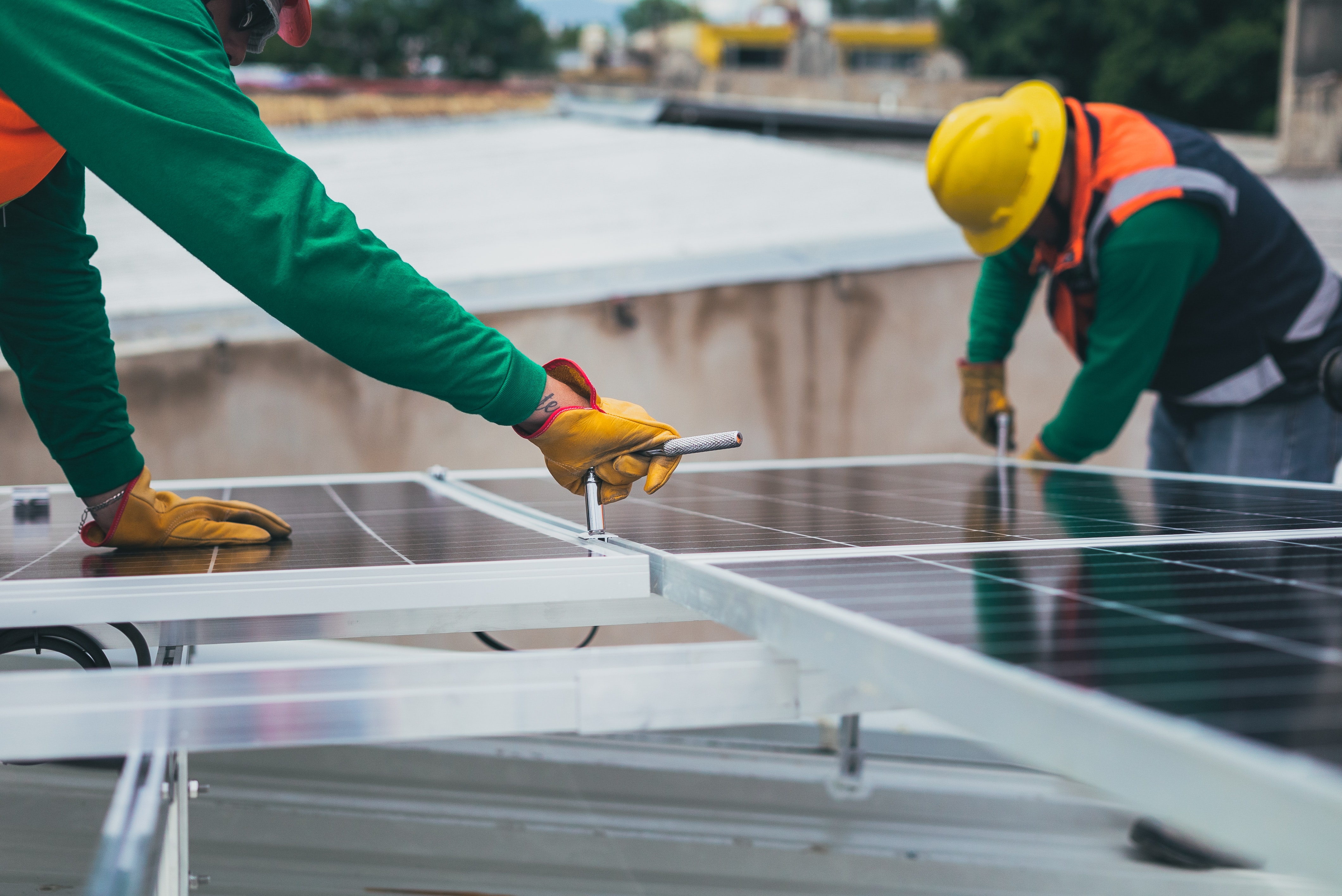
The solar panels and other equipment will be installed on the roof, and the wiring and interconnection to the building's electrical system will be completed.
Commissioning The system will be tested and commissioned to ensure that it is functioning properly and generating the expected amount of power.