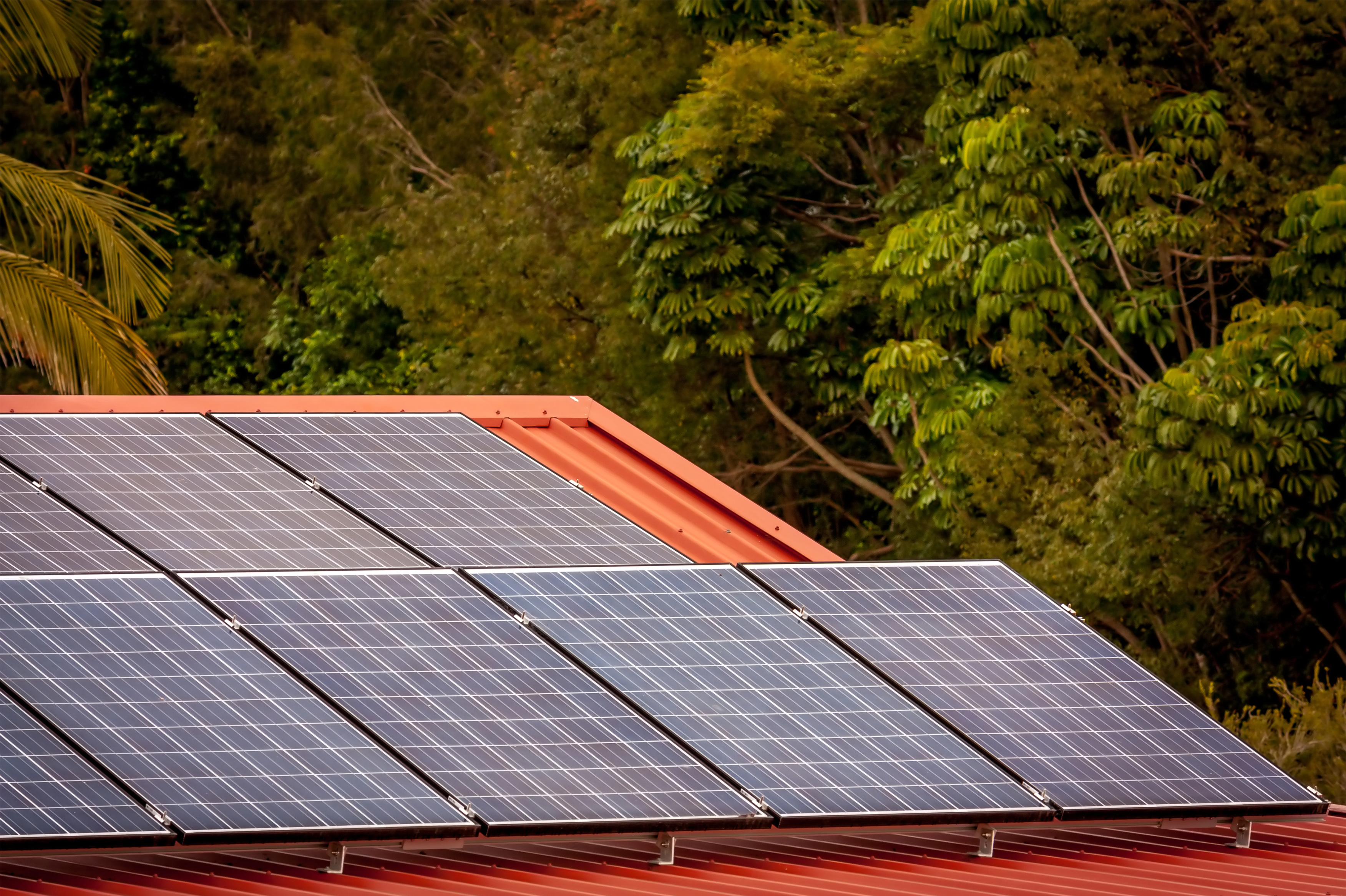
Choosing solar panels for rooftops
07 February 2023
When selecting solar panels for a rooftop installation, several factors should be considered:
Available roof space:
The size and layout of the rooftop will determine the number and type of solar panels that can be installed.
Energy consumption:
The daily energy consumption of the household or business will determine the required size of the solar system.
Local weather conditions:
The amount of sunlight that the solar panels will receive will vary based on the location, weather patterns, and shading.
Budget:
The cost of the solar panels will depend on the brand, size, and efficiency of the panel.
The specifications of solar panels that should be considered when selecting the best panel include:
Wattage:
The wattage of the panel determines how much energy the panel can produce.
Efficiency:
The efficiency of the panel determines how much energy the panel can produce per square meter of surface area. Higher efficiency panels are typically more expensive.
Voltage:
The amount of electrical potential the panel can produce, measured in volts (V).
Current:
The amount of electrical current the panel can produce, measured in amps (A).
Open Circuit Voltage (Voc):
The maximum voltage the panel can produce when it is not connected to a load.
Short Circuit Current (Isc):
The maximum current the panel can produce when its terminals are shorted.
Temperature coefficient:
This measures how much the panel's output will decrease as the temperature increases.
Durability:
This includes factors such as the panel's weather resistance, lifespan, and warranty.
Dimensions:
The physical size of the solar panel, measured in length, width, and thickness.
Weight:
The weight of the solar panel, typically measured in kilograms (kg) or pounds (lb).
To determine the number of solar panels required, the daily energy consumption of the household or business should be divided by the wattage of the solar panel.
For example, if the daily energy consumption is 20 kilowatt-hours (kWh) and the selected solar panel is 300 watts, then 67 panels would be required (20,000/300 = 66.67).
The number of solar cell count in a solar panel is also an essential factor to consider during the installation of a solar panel system. The number of solar cells determines the power output of the panel, and it also affects the efficiency of the solar panel system.
Each solar cell generates a specific amount of electrical power, which is determined by the physical properties of the cell, such as its size, material, and manufacturing process. The total power output of a solar panel is the sum of the power output of all the individual solar cells in the panel.
When installing a solar panel system, the number of solar cells in the panel is determined by the power output required to meet the energy needs of the system. This calculation is based on the amount of energy the system needs to generate, which is determined by the energy consumption of the appliances and devices that will be powered by the system.
The following factors should be considered when determining the number of solar cells needed for a solar panel system:
Energy consumption:
The amount of energy needed to power the appliances and devices in the system.
Solar cell efficiency:
The efficiency of the solar cells used in the panel, which is the percentage of the sunlight that is converted into electrical power.
Solar panel size:
The physical size of the solar panel, which is determined by the number of solar cells and the size of each cell.
To calculate the number of solar cells required for a solar panel system, the following formula can be used:
N = E / (A x H x EFF)
Where:
N = Number of solar cells
E = Energy needed to power the system in watts
A = Area of one solar cell in square meters
H = Number of peak sun hours per day
EFF = Efficiency of the solar cell in decimal form
For example, if a solar panel system requires 5000 watts of power, uses solar cells with an efficiency of 18%, has an area of 0.016 square meters per cell, and receives an average of 5 peak sun hours per day, the number of solar cells required can be calculated as follows:
N = 5000 / (0.016 x 5 x 0.18)
N = 8731 solar cells
Therefore, a solar panel system with these specifications would require 8731 solar cells to generate the required 5000 watts of power.
Whether it is better to use smaller wattage multiple panels or higher wattage less quantity panels depends on the available roof space and the energy consumption. In some cases, using higher wattage panels with fewer panels can be more cost-effective due to the reduced installation and wiring costs. In other cases, using smaller wattage panels with more panels can be more effective in maximizing the available roof space.
It is also important to consider the brand and quality of the solar panels. It is recommended to choose a reputable brand with a proven track record of quality and durability. Additionally, the installation of the solar panels should be performed by a qualified professional to ensure that the panels are installed properly and are able to produce the maximum amount of energy.