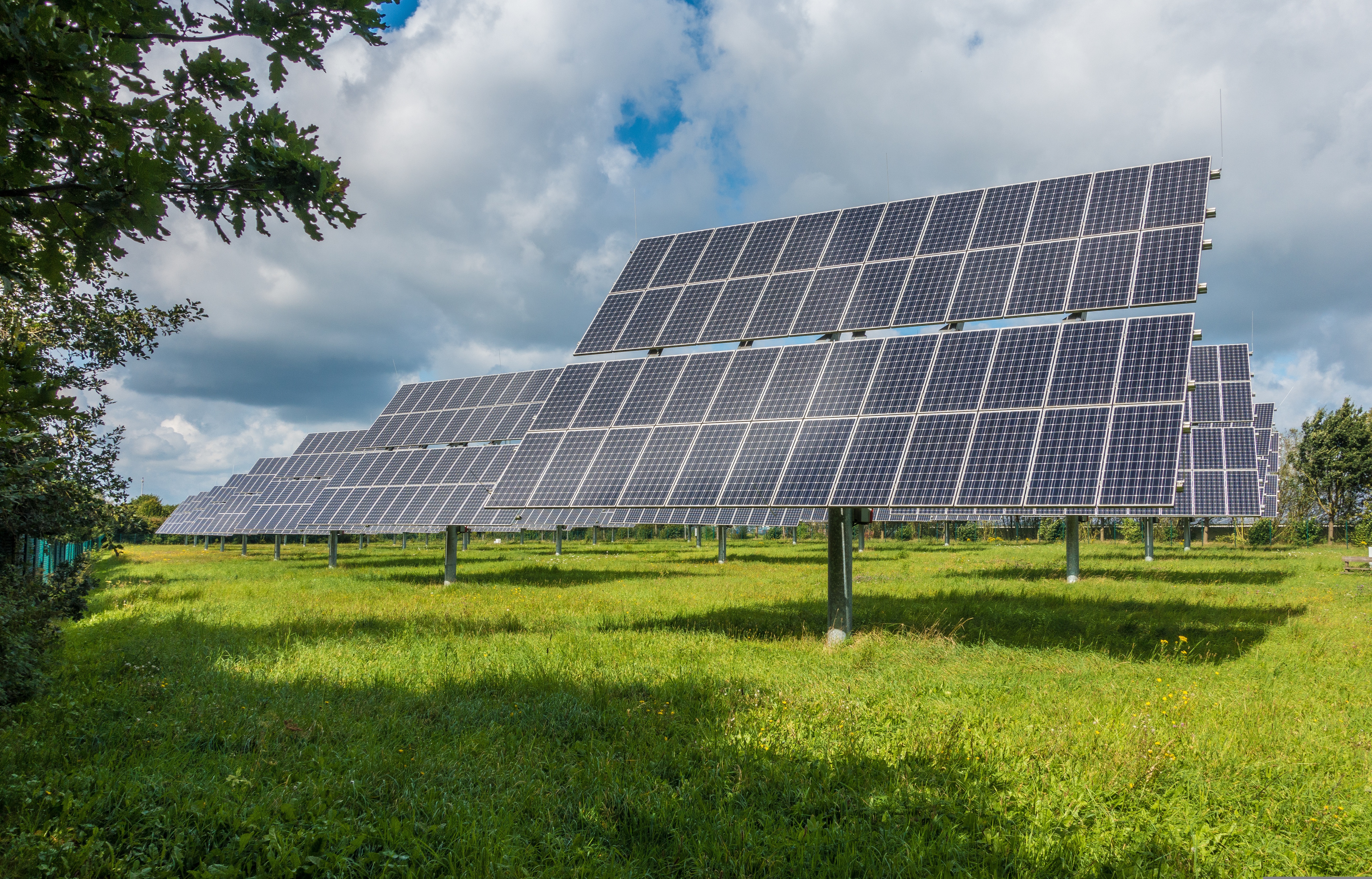
Life expectancy of my rooftop solar system
06 February 2023
The endurance of the structure, the inverter, and the solar panels themselves are some of the elements that affect how long a solar system lasts.
A typical 25-year warranty is included with the vast majority of solar panels now on the market, but there is more to it than that, and it has to do with how solar panel warranties are structured. Solar panel warranties cover physical flaws often for a period of 10 to 20 years, depending on the brand. The majority of panel warranties ensure that your panels will function at a minimum efficiency of 80% or higher at the end of 25 years. There are other guarantees that guarantee a specified quantity of output, often for a 25-year term. This translates to an annual efficiency decline of less than 1%.
Solar panel performance degradation is a natural process that occurs over time. There are several factors that contribute to this degradation, including exposure to sunlight, temperature fluctuations, humidity, and other environmental factors. The degradation of solar panel output can result in a reduced efficiency in generating electricity, which may lead to a decline in overall system performance.
One of the most significant factors that contribute to solar panel degradation is the exposure to sunlight, which can cause a process known as photovoltaic (PV) cell corrosion. This corrosion is caused by the formation of tiny cracks and defects on the surface of the solar cells, which can lead to a reduction in their efficiency.
Additionally, temperature fluctuations and humidity can cause the solar panel's protective coatings to deteriorate, leading to further damage. Another element of the environment that might affect solar panels is wind. Dynamic mechanical load, which is brought on by strong winds, can cause the panels to bend. The panels also develop microcracks as a result, reducing output. Some racking options shield the panels from powerful uplift forces and reduce microcracking in high-wind environments. The manufacturer's datasheet will often provide information on the highest winds the panel is capable of withstanding. Installing properly might aid in resolving problems with heat. Convective air should be able to flow beneath the panels and cool the machinery if they are situated a few inches above the roof. In order to reduce heat absorption, light-colored materials have been utilized to make panels. Additionally, components with heat-sensitive performance, such as inverters and combiners, should be placed in shaded locations.
Solar panel performance degradation is a natural process that occurs over time. There are several factors that contribute to this degradation, including exposure to sunlight, temperature fluctuations, humidity, and other environmental factors. The degradation of solar panel output can result in a reduced efficiency in generating electricity, which may lead to a decline in overall system performance.
One of the most significant factors that contribute to solar panel degradation is the exposure to sunlight, which can cause a process known as photovoltaic (PV) cell corrosion. This corrosion is caused by the formation of tiny cracks and defects on the surface of the solar cells, which can lead to a reduction in their efficiency. Additionally, temperature fluctuations and humidity can cause the solar panel's protective coatings to deteriorate, leading to further damage.
To compensate for the degrading performance of solar panels, there are several strategies that can be implemented. One approach is to regularly clean and maintain the solar panels, which can help to prevent the buildup of dirt, debris, and other contaminants that can reduce their efficiency. Additionally, regular maintenance can help to identify and repair any damage that may be affecting the panel's output.
Another approach to compensating for the degradation of solar panel output is to install a larger solar array than what is currently required. This can help to compensate for any losses in efficiency and ensure that the system continues to generate enough electricity to meet the user's needs. Additionally, some solar panel manufacturers offer warranties and guarantees for their products, which can provide some assurance that the panels will continue to perform well over their expected lifespan.
If you purchase a 530 watt solar panel now, for instance, you may anticipate that they will still be providing at least 424 watts after 25 years. Even after the warranty expires, your system is still producing 80% of its initial output, so there is no reason you shouldn't be able to keep using that power. Often, you can counteract the drop in efficiency by adding an extra panel or to your solar array. These are some things you can do to extend the life of your system. The first thing to be aware of is part replacement schedule and or extended warranty.
On average, your inverter should be replaced every 10 to 15 years. The solar inverter typically has to be replaced during the course of your solar system's lifespan since it is the component that transforms DC power into AC electricity for usage in your house. If your inverter does not have a 25-year guarantee, you may generally purchase warranty extension. Inverter warranties commonly last between 5 and 10 years. Depending on the battery chemistry you select and how you want to care for them, the batteries in a battery-based system must be replaced on schedule, which can range from every 5 to 15 years. Last but not least, easy and regular maintenance keep the panels in excellent condition and providing energy effectively. Clean them once a month by keeping them free of dust, leaves, bird droppings and other debris.
To ensure the longest possible lifespan for your rooftop solar system, it's essential to take good care of it. Here are some tips for caring and maintaining your solar system.
1. Keep the solar panels clean:
Dirt, dust, and debris can accumulate on the solar panels, reducing their efficiency. Clean the panels regularly using a soft brush or a cloth with soapy water.
2. Check for shading:
Shading can significantly affect the performance of solar panels. Regularly check for any trees or structures that may cast shade on the panels and remove them if necessary.
3. Check the inverter:
The inverter is a crucial component of the solar system, and it needs to be functioning correctly. Check the inverter's display for any error messages or warning signs and contact a professional if you notice any issues.
4. Monitor your systems performance:
Regularly monitor your solar system's performance to ensure that it is generating the expected amount of electricity. If you notice a drop in performance, contact a professional to diagnose the issue.
5. Have your system professionally inspected: Its a good idea to have your solar system inspected by a professional every few years to ensure that all the components are functioning correctly and to identify any issues that may affect the system's lifespan.
In terms of investment payback period, it varies depending on the cost of the system, the amount of electricity generated, and the cost of electricity from the grid. However, in general, a well-designed and installed solar system can pay for itself in 4 to 10 years, depending on these factors.
By doing these actions, you can guarantee that your solar panels survive as long as possible by reducing any strain on them and making them work less. You'll be made aware of any potential warranty concerns early on thanks to maintenance. Make sure to get in touch with your supplier if you notice anything strange about your solar panels so they can send you the replacement parts you need to maintain your system operating smoothly. Your solar panels will last longer and absorb more sunlight if you maintain them clean.